


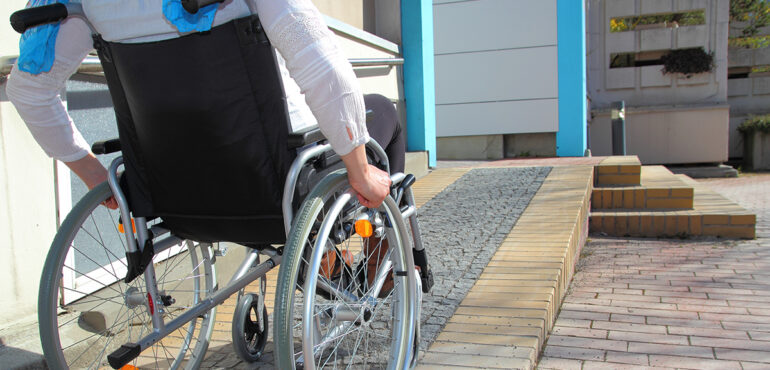
A Home for Every Ability
Making Homeownership More Accessible, Inclusive, and Empowering
Article Written By: Malaika White with RE/MAX Professionals, Member the SMDRA IDEA Committee
National Disability Employment Awareness Month (NDEAM) is observed every October in the United States to honor the contributions of workers with disabilities and promote inclusive workforce practices. The SMDRA IDEA Committee would like to bring awareness to accessibility to homeowners with disabilities, and things to consider with your clients who face additional challenges. Our home is more than a place to live. It is where we find comfort, build memories, establish independence, and create a sense of belonging. For homeowners with disabilities, finding the right home may involve considerations that extend beyond location, square footage, and design. It means finding a space that supports their individual needs, lifestyle, and long-term independence.
Understanding Accessibility in Homeownership
Accessibility looks different for everyone. For some homeowners, it may mean a single-level floor plan, wider doorways, or a step-free entrance. For others, it may involve accessible kitchens, modified bathrooms, smart home technology, or proximity to transportation, healthcare, and community resources.
Disabilities are not always visible, and accessibility needs are not always the same. Understanding these differences is essential to helping individuals find homes that truly work for them.
Breaking Down Barriers
Individuals with disabilities may encounter additional challenges during the homebuying process, including limited accessible housing inventory, renovation expenses, financing concerns, and uncertainty about available resources. Education, preparation, and knowledgeable professional guidance can make a meaningful difference.
Homebuyers should know that accessibility modifications, specialized housing programs, and certain financial assistance opportunities may help make homeownership more attainable. Exploring these resources early can help buyers make informed decisions.
Creating Homes That Work for Everyone
An accessible home should not simply meet someone’s immediate needs. Whenever possible, it should also provide flexibility as those needs evolve. Features such as zero-step entries, accessible bathrooms, improved lighting, lever-style door handles, and thoughtfully designed living spaces can enhance comfort and functionality. Universal design principles encourage homes that are usable by people with a wide range of abilities and ages. These features can benefit homeowners with disabilities, aging adults, and families alike.
The Importance of Representation and Advocacy
Inclusive real estate begins with listening. Rather than making assumptions about what someone needs, real estate professionals should ask thoughtful questions, understand individual priorities, and respect each client’s ability to make decisions about their home. Homeowners with disabilities deserve the same choices, opportunities, dignity, and personalized service as every other homeowner.
A Commitment to Inclusive Homeownership
Whether someone is purchasing their first home, looking for a property that better accommodates changing mobility needs, or considering modifications to their current home, every conversation should begin with understanding their unique circumstances. Because the right home is not simply about where you live. It is about having a place where you can live comfortably, independently, and fully.
A Home for Every Ability begins with recognizing that everyone deserves a place to call home.
NAR Disability Access in Housing Resources
A request for an accessible parking space, an assistance animal, or bathroom grab bars can trigger important legal responsibilities. Housing providers need to recognize and respond appropriately to these requests. This resource explains how the Fair Housing Act applies to reasonable accommodations and modifications in housing. It also explains when the Americans with Disabilities Act applies to housing-related offices and facilities open to the public
CLICK HERE for the National Association of REALTORS Housing Disability Resources


